Ready to Build Your Dream Home?
Contact 237 Architectural Design Studio today for a free consultation and let’s start turning your vision into reality.
Get in Touch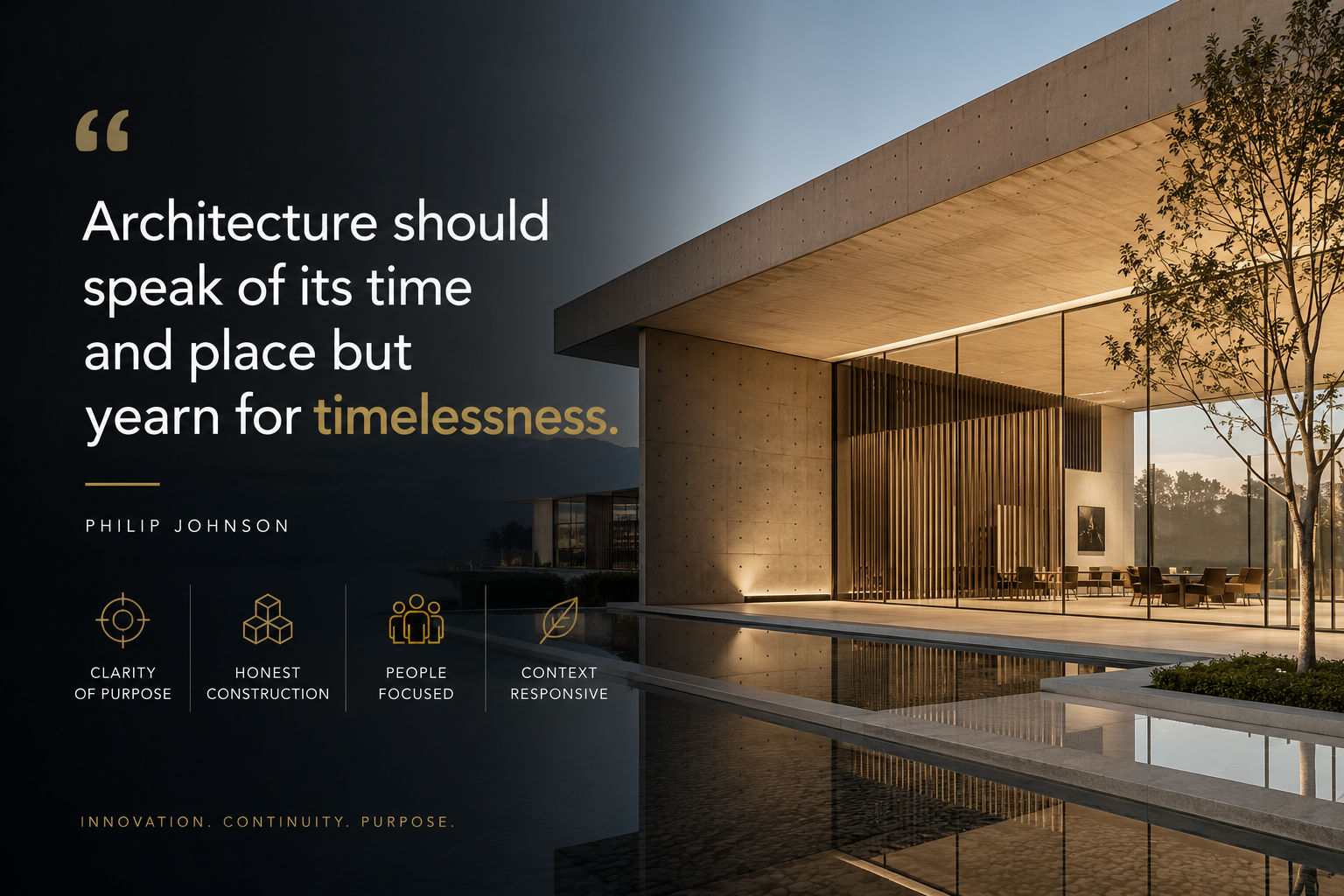
𝗠𝗼𝗱𝗲𝗿𝗻 𝗮𝗿𝗰𝗵𝗶𝘁𝗲𝗰𝘁𝘂𝗿𝗲 𝗶𝘀 𝗺𝗼𝗿𝗲 𝘁𝗵𝗮𝗻 𝗮 𝘀𝘁𝘆𝗹𝗲—𝗶𝘁 𝗶𝘀 𝗮 𝗽𝗵𝗶𝗹𝗼𝘀𝗼𝗽𝗵𝘆.
ᴀʀᴄʜɪᴛᴇᴄᴛᴜʀᴇ ᴀꜱ ᴏʀɴᴀᴍᴇɴᴛ.
For much of history, buildings reflected the artistic and cultural values of their time. Classical Greek temples emphasized symmetry and proportion, Gothic cathedrals reached dramatically toward the sky, and Renaissance architecture celebrated grandeur through intricate detailing.
By the late nineteenth century, however, rapid industrialization was changing cities across Europe and North America. New materials such as steel, reinforced concrete, and large sheets of glass gave architects possibilities that had never existed before. Yet many buildings continued to imitate historical styles, masking new technologies behind traditional façades.
A growing number of architects began asking a different question: instead of copying the past, why not design for the present?
This shift represented more than a change in aesthetics—it marked a change in responsibility. Architects were beginning to understand that every era deserves an architecture that reflects its realities rather than reproducing the forms of another age.
🇹🇭🇪 🇧🇮🇷🇹🇭
The early twentieth century marked the beginning of a new architectural movement. Modern architects believed that buildings should express their purpose honestly, using contemporary materials and construction methods rather than historical decoration.
One of the movement's most influential ideas was that"𝘧𝘰𝘳𝘮 𝘧𝘰𝘭𝘭𝘰𝘸𝘴 𝘧𝘶𝘯𝘤𝘵𝘪𝘰𝘯," a phrase popularized by American architect Louis Sullivan. Rather than decorating a building for its own sake, every element should serve a practical purpose.
This philosophy laid the foundation for modern architecture.
It also introduced a professional discipline that remains relevant today. Good architecture is rarely accidental; it is the result of thoughtful planning, clear systems, and careful decision-making. These are principles that continue to shape how architectural practices deliver meaningful work, regardless of style.
Few institutions had a greater impact on modern architecture than the Bauhaus school, founded in Germany in 1919 by Walter Gropius.
The Bauhaus brought together architecture, art, and industrial design under one philosophy: good design should be simple, functional, and accessible. Ornament was reduced, craftsmanship embraced innovation, and buildings became expressions of structure rather than decoration.
Many of the ideas developed at the Bauhaus continue to influence architecture, furniture, and product design today.
For practices like 237 Architectural Design Studio, the Bauhaus offers more than an aesthetic reference. It demonstrates that design excellence emerges when creativity is supported by process, collaboration, technical rigor, and a commitment to solving real human needs. Simplicity, in this sense, is not the absence of complexity but the disciplined resolution of it.
ɪᴄᴏɴꜱ ᴏꜰ ᴍᴏᴅᴇʀɴɪꜱᴍ
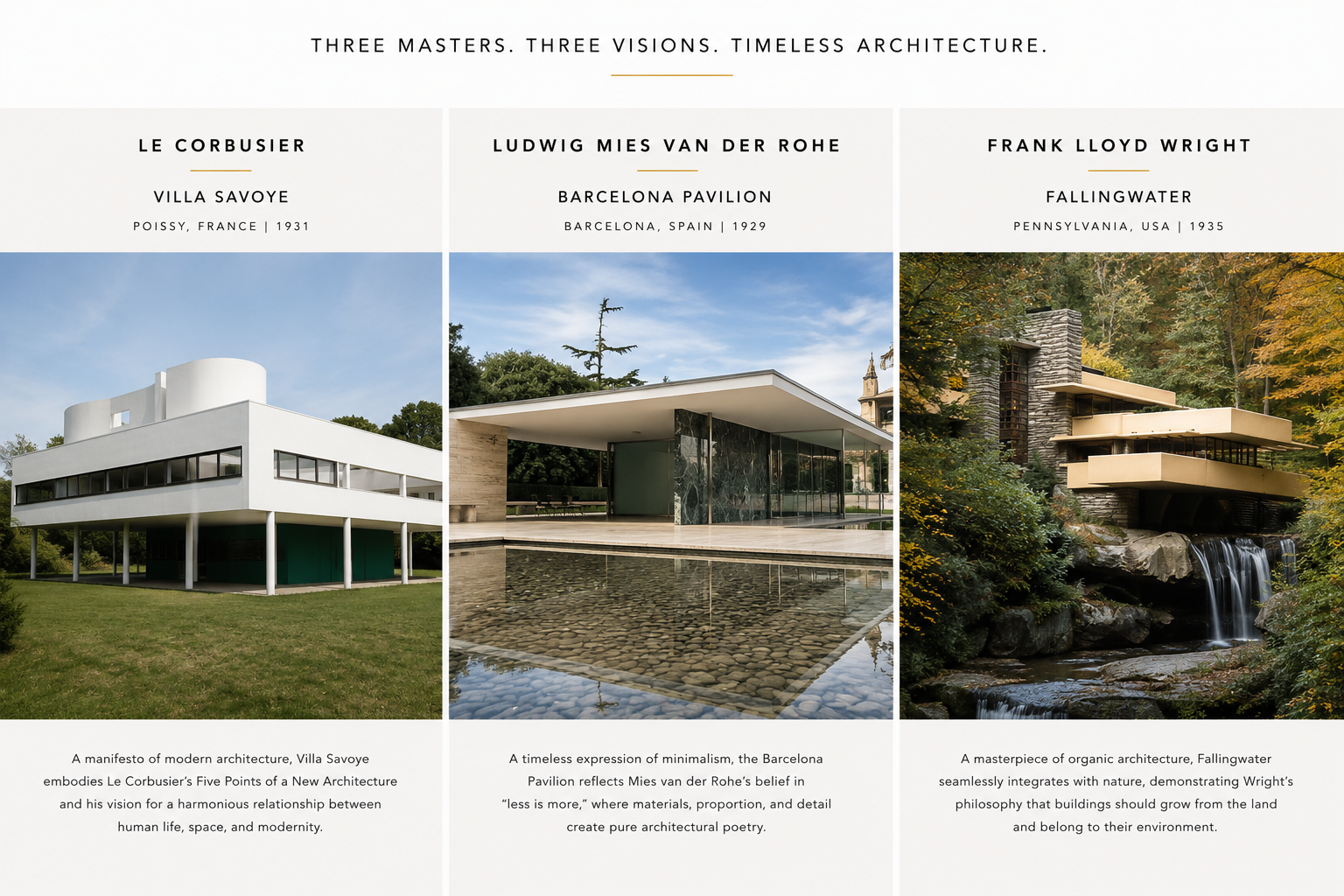
Modern architecture was shaped by visionary architects whose work continues to inspire designers around the world.
𝘓𝘦 𝘊𝘰𝘳𝘣𝘶𝘴𝘪𝘦𝘳 advocated for homes as "machines for living," emphasizing efficiency, light, and open plans.
𝘓𝘶𝘥𝘸𝘪𝘨 𝘔𝘪𝘦𝘴 𝘷𝘢𝘯 𝘥𝘦𝘳 𝘙𝘰𝘩𝘦 became famous for his minimalist philosophy, often summarized by the phrase "less is more." His elegant use of steel and glass redefined skyscraper design.
𝘍𝘳𝘢𝘯𝘬 𝘓𝘭𝘰𝘺𝘥 𝘞𝘳𝘪𝘨𝘩𝘵 developed an approach known as organic architecture, creating buildings that responded to their natural surroundings. His masterpiece, 𝙁𝙖𝙡𝙡𝙞𝙣𝙜𝙬𝙖𝙩𝙚𝙧, remains one of the most celebrated homes ever designed.
Together, these architects demonstrated that simplicity could be both functional and beautiful.
Equally important, they showed that architecture is guided by ideas as much as by drawings. Every influential architect developed a philosophy before developing a style—a reminder that enduring design begins with clear principles rather than visual trends.
As modernism spread across the globe, architects adapted its principles to local climates, cultures, and materials.
In tropical regions, buildings evolved to include large roof overhangs, shaded verandas, courtyards, and natural cross-ventilation to improve comfort without relying heavily on mechanical cooling.
This climate-responsive approach remains especially relevant in countries such as Cameroon, where thoughtful orientation, ventilation, material selection, and protection from heavy rainfall are essential considerations in residential design.
At 237 Architectural Design Studio, we believe modern architecture achieves its greatest value when it is rooted in its context. Rather than reproducing international styles, we seek to harmonize modernist clarity with local environmental conditions, cultural identity, and contemporary ways of living. Buildings should belong to the places in which they stand while remaining relevant for generations to come.
ʙᴇʏᴏɴᴅ ᴀ ꜱᴛʏʟᴇ
Although many people associate modern architecture with white walls and flat roofs, its true legacy lies in the way it changed architectural thinking.
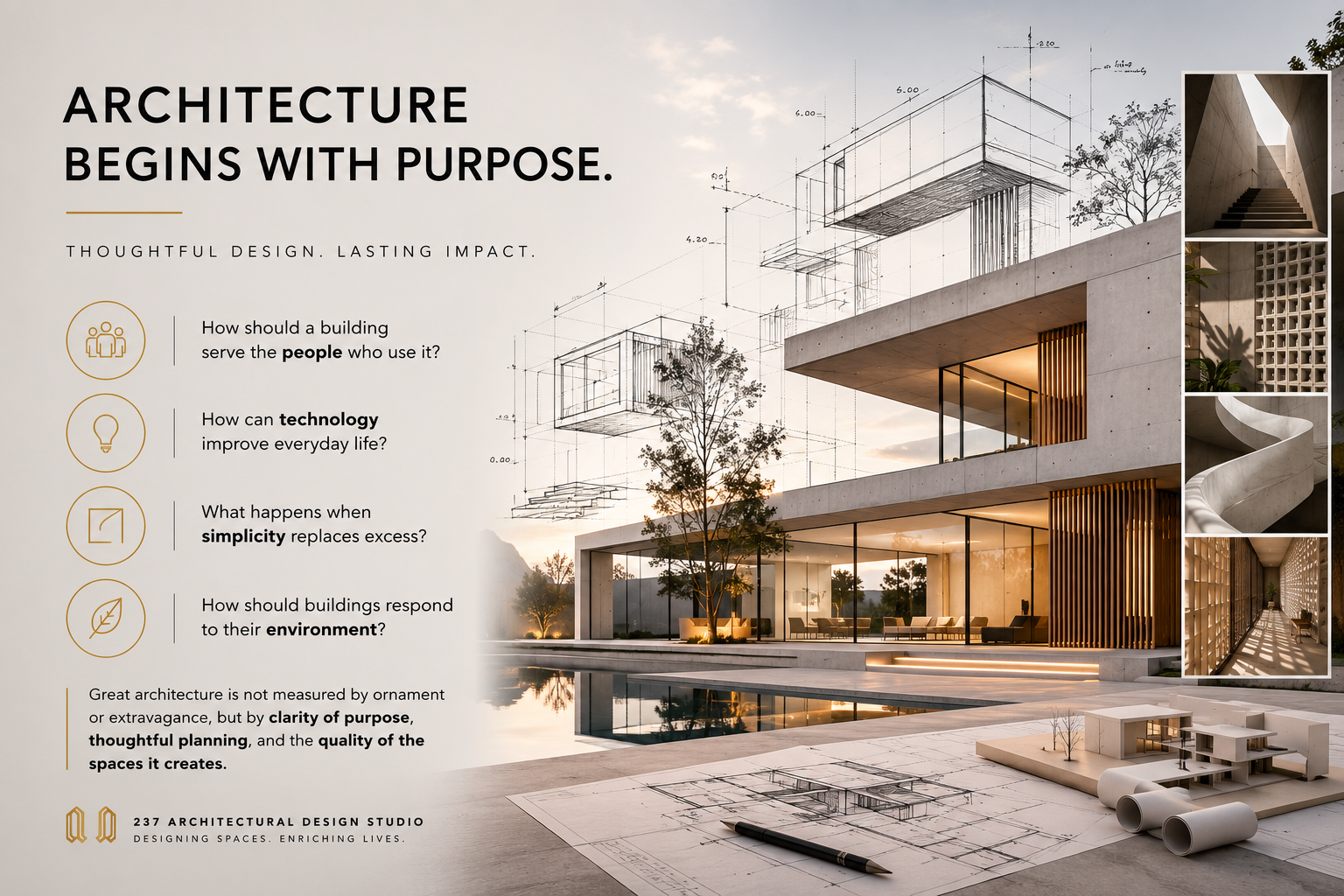
Modernism encouraged architects to ask fundamental questions:
- 𝘏𝘰𝘸 𝘴𝘩𝘰𝘶𝘭𝘥 𝘢 𝘣𝘶𝘪𝘭𝘥𝘪𝘯𝘨 𝘴𝘦𝘳𝘷𝘦 𝘵𝘩𝘦 𝘱𝘦𝘰𝘱𝘭𝘦 𝘸𝘩𝘰 𝘶𝘴𝘦 𝘪𝘵?
- 𝘏𝘰𝘸 𝘤𝘢𝘯 𝘵𝘦𝘤𝘩𝘯𝘰𝘭𝘰𝘨𝘺 𝘪𝘮𝘱𝘳𝘰𝘷𝘦 𝘦𝘷𝘦𝘳𝘺𝘥𝘢𝘺 𝘭𝘪𝘧𝘦?
- 𝘞𝘩𝘢𝘵 𝘩𝘢𝘱𝘱𝘦𝘯𝘴 𝘸𝘩𝘦𝘯 𝘴𝘪𝘮𝘱𝘭𝘪𝘤𝘪𝘵𝘺 𝘳𝘦𝘱𝘭𝘢𝘤𝘦𝘴 𝘦𝘹𝘤𝘦𝘴𝘴?
- 𝘏𝘰𝘸 𝘴𝘩𝘰𝘶𝘭𝘥 𝘣𝘶𝘪𝘭𝘥𝘪𝘯𝘨𝘴 𝘳𝘦𝘴𝘱𝘰𝘯𝘥 𝘵𝘰 𝘵𝘩𝘦𝘪𝘳 𝘦𝘯𝘷𝘪𝘳𝘰𝘯𝘮𝘦𝘯𝘵?
These questions continue to guide architectural practice today.
They also reinforce an important lesson: architecture is not simply the production of buildings but the careful balancing of creativity, responsibility, practicality, and long-term value.
Even as architecture has evolved into postmodernism, sustainable design, and contemporary minimalism, the principles of modern architecture remain deeply influential.
Open floor plans, generous natural lighting, honest use of materials, and functional design continue to define many of today's most admired buildings.
Modern architecture reminds us that great design is not measured by ornament or extravagance, but by clarity of purpose, thoughtful planning, and the quality of the spaces it creates.
At 237 Architectural Design Studio, we view modernism not as a rigid style to imitate but as a foundation for thoughtful practice. While our design language is strongly influenced by Modernism and the Bauhaus, we also embrace lessons from Postmodernism and other architectural traditions where they enrich the project. We believe architecture should respond to its time and place while aspiring to timelessness, harmonizing diverse influences rather than treating them as competing ideologies.
As our cities continue to grow and environmental challenges become more pressing, the ideas that shaped modern architecture—simplicity, innovation, contextual design, and human-centered thinking—remain as relevant as ever.
Modern architecture was never simply about changing the appearance of buildings. It changed the way we think about architecture itself.
For us, that is perhaps its greatest legacy: the understanding that architecture is both a creative discipline and a professional responsibility. Buildings should not only inspire; they should serve, endure, and contribute meaningfully to the communities they shape. That conviction continues to inform every project undertaken by 237 Architectural Design Studio.
Ready to Build Your Dream Home?
Contact 237 Architectural Design Studio today for a free consultation and let’s start turning your vision into reality.
Get in Touch